
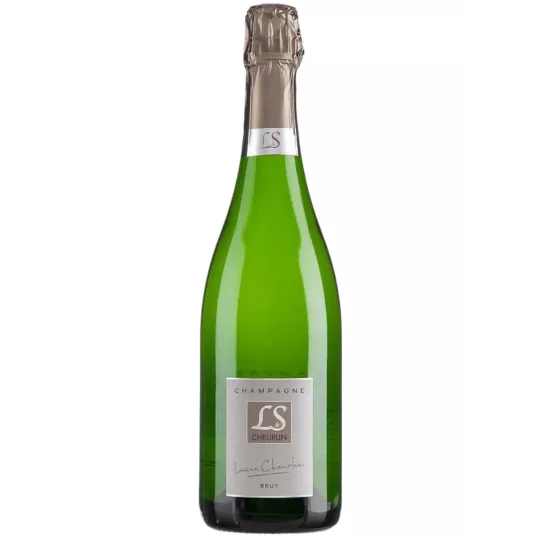
Conventional Champagne is widely recognized for traditional blending, structured aging, and classic profiles. Yet...

Conventional Champagne is widely recognized for traditional blending, structured aging, and classic profiles. Yet...
Discover the Art of Champagne Etiquette: Serving Champagne is far more than pouring bubbles into a glass—it is a...
Champagne is often associated with traditional serving customs, established cellaring practices, and classic tasting...
Champagne is often associated with well-established benchmarks: classic blends, traditional aging, and instantly...
Opening a bottle of sparkling wine is traditionally associated with celebration, precision, and high winemaking...
While wine and cheese are classic culinary partners, red wine's heavy tannins often clash with the creamy texture and lactic acidity of cheese. Champagne serves as an excellent alternative, using its natural acidity, effervescence, and complex autolytic notes (derived from yeast aging) to physically cut through fats, cleanse the sensory receptors of the tongue, and prevent palate fatigue during a tasting. To achieve a balanced pairing, the structure of the wine must align with the moisture...
The article discusses how to choose the right champagne to accompany a meal to achieve the optimal tasting experience. It offers advice on wine pairings for cheese dishes, desserts and food in general. However, it is important to note that the choice of combinations is above all a matter of personal taste. The article ends with an invitation to tasting to put into practice the advice given and explore new combinations of flavors.